



How Deer Can Increase Tick Activity Around Your Property
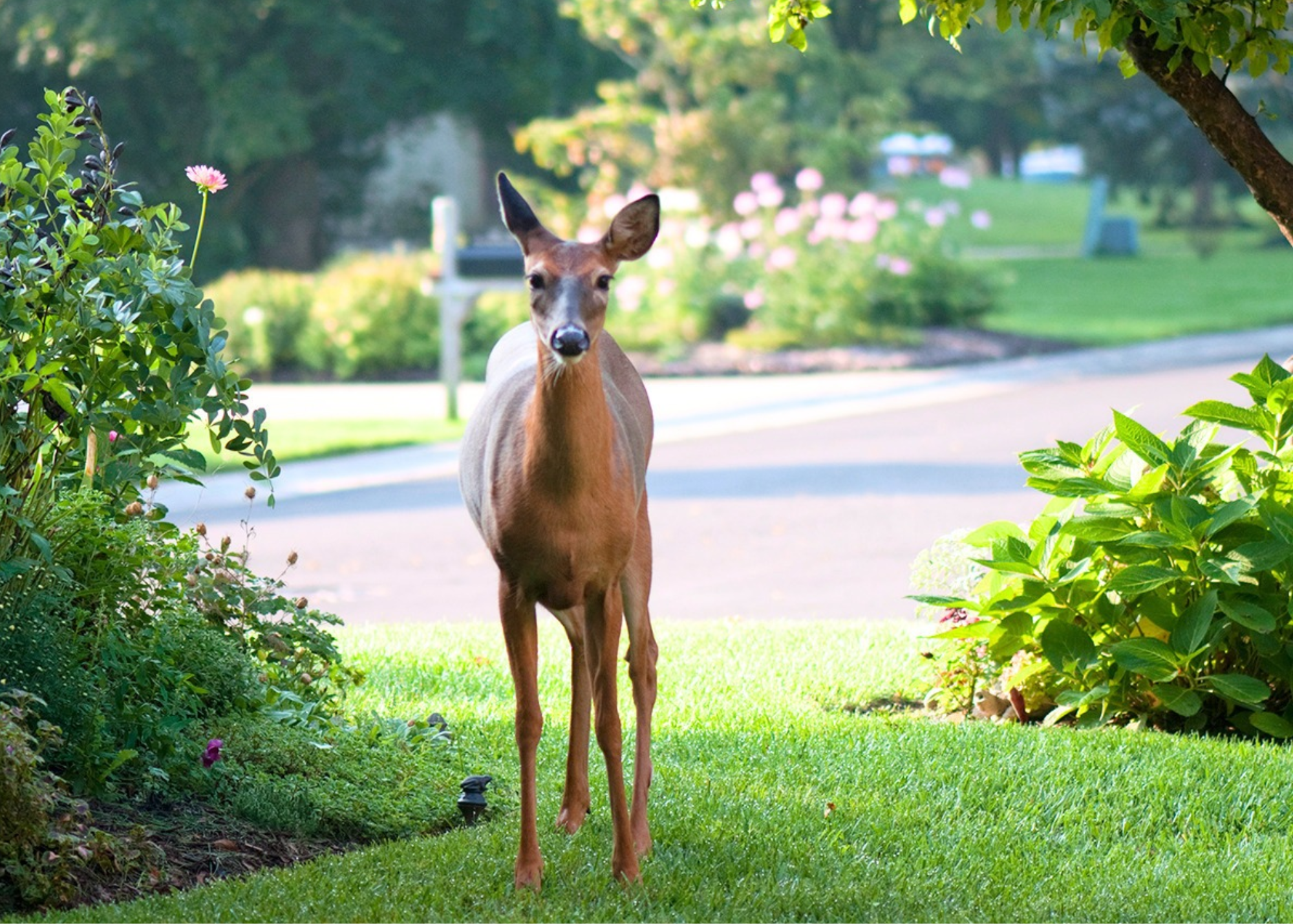
White-tailed deer are common throughout New England, from wooded neighborhoods in MetroWest to residential areas on Cape Cod and Martha’s Vineyard. When deer regularly move through a property, they often carry ticks with them. Deer are the primary host for adult blacklegged ticks, also known as deer ticks, and they play a major role in helping tick populations grow and spread into residential areas.
The Connection Between Deer & Ticks
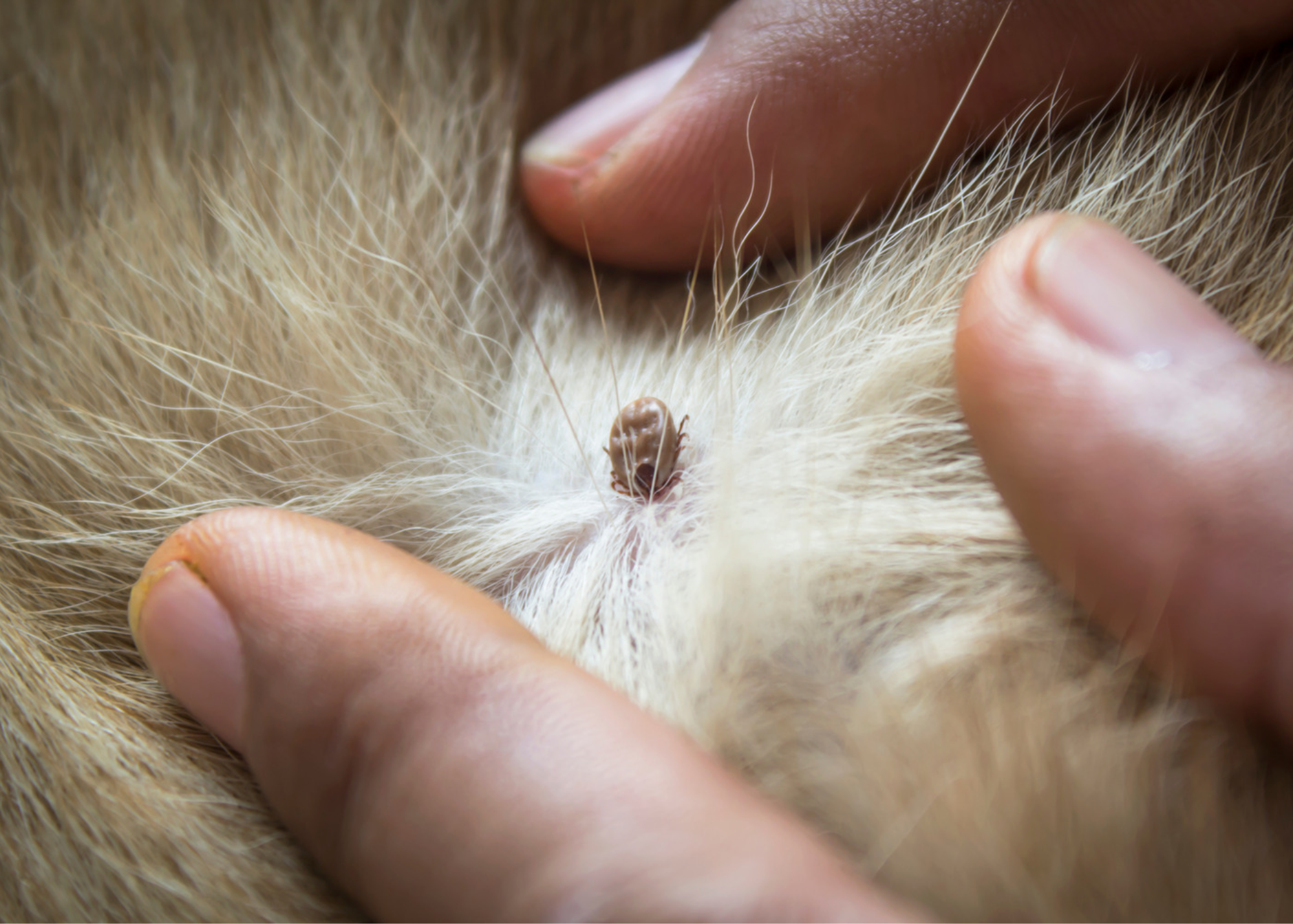
Blacklegged ticks go through four life stages: egg, larva, nymph, and adult. They take about two years to complete their life cycle, and they need a blood meal from a host at each active stage. Larvae and nymphs usually feed on small animals like white-footed mice, chipmunks, and birds. Adult ticks, however, prefer larger hosts, and in New England that host is almost always a white-tailed deer.
Researchers often call deer the “reproductive host” of the blacklegged tick. One study cited by researchers in Connecticut found that more than 95% of adult female blacklegged ticks feed on white-tailed deer. Adult ticks mate on the deer, and the females take a large blood meal that fuels egg production. Once fully fed, a female drops to the ground and lays a single mass of roughly 1,500 to 3,000 eggs in the leaf litter, usually in late spring. In other words, a single deer carrying a few dozen female ticks can leave behind enough eggs to produce tens of thousands of larvae on one property.
How Deer Bring Ticks Onto Your Property
Deer are constant travelers. They move between wooded areas, fields, and backyards every day while searching for food and shelter. As they walk through tall grass and brush, ticks waiting on the vegetation climb aboard. Wherever the deer go next, those ticks go too.
When a fed tick finishes its meal, it simply drops off. That often happens in the places deer spend the most time: along wood lines, in shady garden beds, under shrubs, and in the brushy edges between your lawn and the woods. If deer are bedding down or feeding in your yard, those spots can become tick hot spots. The landscaping deer love most, such as hostas, hydrangeas, arborvitae, and rhododendrons, also tends to create the shaded, moist conditions ticks prefer.
Adult blacklegged ticks are most active in the fall and early spring, which overlaps with the time of year deer are especially active in New England. Adult ticks can stay active whenever temperatures rise above freezing, so a mild late-fall or winter day can still bring deer and ticks into your yard.
Do Deer Carry Lyme Disease?
Despite the name “deer tick,” deer do not actually give ticks the bacteria that causes Lyme disease. Deer are not considered competent reservoir hosts for Borrelia burgdorferi. Instead, ticks usually pick up the bacteria as larvae or nymphs when they feed on infected small animals, especially white-footed mice.
Deer still play an important role in tick populations. They feed the adult females that lay the next generation of eggs, and they carry ticks into new areas, including your yard. More ticks overall means more chances for those ticks to feed on infected mice and later bite people or pets.
Protecting Your Property From Deer and Ticks
The most effective approach tackles both sides of the problem: making your yard less inviting to deer and less livable for ticks. A few simple habits can help:
- Keep lawn edges tidy. Mow regularly and cut back brush along wood lines where ticks drop off and wait for a host.
- Remove leaf litter and yard debris. Leaves, brush, and other organic debris can create favorable conditions for ticks.
- Choose deer-resistant plants. Replacing plants deer heavily browse, especially near the house, gives them less reason to linger in your yard.
- Check family and pets. Do tick checks after time outdoors, especially in the fall and spring.
Pure Solutions’ All-Natural Deer Repellent Program uses botanical ingredients, including peppermint, to make your plants unappealing to deer so they move on to look for food elsewhere. Fewer deer visits means fewer ticks being dropped across your landscape.
Pairing deer repellent with Pure Solutions’ All-Natural Tick Control gives your property layered protection. Our proprietary blend of botanical essential oils is applied by trained technicians using backpack sprayers, reaching property edges, wood lines, and hard-to-reach spots where ticks hide. Treatments target ticks at every life stage, and the residual barrier helps control ticks that come into contact with treated vegetation between visits.
Please contact the Pure Solutions team for a free proposal or any additional information.
Sources:
Center for Infectious Disease Research and Policy. (2026). Want to predict Lyme disease risk? Count the acorns, not the deer. CIDRAP. https://www.cidrap.umn.edu/lyme-disease/want-predict-lyme-disease-risk-count-acorns-not-deer
Gandy, S., Kilbride, E., Biek, R., Millins, C., & Gilbert, L. (2021). Experimental evidence for opposing effects of high deer density on tick-borne pathogen prevalence and hazard. Parasites & Vectors, 14, Article 509. https://doi.org/10.1186/s13071-021-05000-0
Patnaude, M. R., & Mather, T. N. (n.d.). Blacklegged tick or deer tick, Ixodes scapularis Say (Arachnida: Acari: Ixodidae) (Publication IN300). University of Florida IFAS Extension. https://ask.ifas.ufl.edu/publication/IN300
University of Rhode Island TickEncounter Resource Center. (n.d.). Blacklegged (deer) tick. https://web.uri.edu/tickencounter/species/blacklegged-tick